
practice exams:
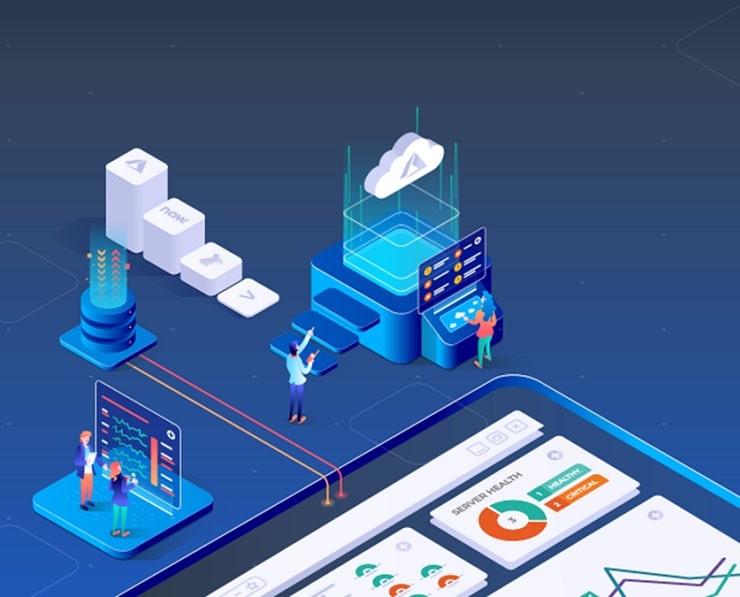
AZ-305: Designing Microsoft Azure Infrastructure Solutions
-
7h 41m
-
94 students
-
4.1 (76)
$43.99
$39.99
You don't have enough time to read the study guide or look through eBooks, but your exam date is about to come, right? The Microsoft AZ-305 course comes to the rescue. This video tutorial can replace 100 pages of any official manual! It includes a series of videos with detailed information related to the test and vivid examples. The qualified Microsoft instructors help make your AZ-305 exam preparation process dynamic and effective!
Microsoft AZ-305 Course Structure


About This Course
Passing this ExamLabs Designing Microsoft Azure Infrastructure Solutions video training course is a wise step in obtaining a reputable IT certification. After taking this course, you'll enjoy all the perks it'll bring about. And what is yet more astonishing, it is just a drop in the ocean in comparison to what this provider has to basically offer you. Thus, except for the Microsoft Designing Microsoft Azure Infrastructure Solutions certification video training course, boost your knowledge with their dependable Designing Microsoft Azure Infrastructure Solutions exam dumps and practice test questions with accurate answers that align with the goals of the video training and make it far more effective.
Microsoft AZ-305: Designing Azure Infrastructure Solutions – Complete Training Course
The Microsoft AZ-305: Designing Microsoft Azure Infrastructure Solutions course is designed to provide IT professionals and solution architects with the knowledge and skills required to design robust and scalable cloud solutions using Microsoft Azure. This course emphasizes best practices, architectural principles, and real-world application scenarios that align with the needs of modern enterprises. It offers a combination of theoretical frameworks and practical exercises that equip learners to make critical architectural decisions when deploying Azure-based solutions.
Through this course, participants gain insights into the design of compute, storage, networking, and security solutions while considering governance, monitoring, and performance optimization. Emphasis is placed on designing solutions that meet the functional and non-functional requirements of enterprises, including high availability, disaster recovery, scalability, and cost-efficiency. By the end of this course, learners will have the knowledge and confidence to translate business requirements into actionable and resilient cloud architectures.
This course is ideal for IT professionals who are responsible for designing cloud solutions on Microsoft Azure and want to ensure they meet the highest standards of performance, security, and compliance. Participants will engage with case studies, hands-on labs, and scenario-based learning exercises that closely mirror real-world challenges faced by Azure solution architects.
What You Will Learn from This Course
By the end of this course, participants will be able to:
Design and implement Azure governance solutions to manage resources, subscriptions, and compliance.
Evaluate and select appropriate storage solutions based on performance, durability, and cost.
Develop high-availability and disaster recovery strategies for Azure services and applications.
Architect secure identity, networking, and access management solutions using Azure Active Directory and role-based access controls.
Design compute solutions that meet scalability, performance, and cost requirements.
Implement monitoring, logging, and alerting strategies for Azure workloads to ensure reliability and performance optimization.
Create infrastructure designs that adhere to cost management best practices and optimize resource utilization.
Apply best practices for integrating on-premises infrastructure with Azure cloud environments.
Design data management strategies that ensure data integrity, compliance, and accessibility.
Evaluate emerging Azure services and determine how they fit into enterprise architecture strategies.
Implement multi-region and hybrid cloud architectures to meet business continuity requirements.
Design security policies and controls to safeguard applications and data in Azure environments.
Understand networking requirements and design virtual networks, firewalls, and load-balancing solutions.
Apply automation solutions using Infrastructure as Code (IaC) with Azure Resource Manager templates, Bicep, and Terraform.
Implement identity protection and conditional access policies to secure cloud resources.
Analyze business requirements and create comprehensive solution architectures for complex workloads.
Design and optimize microservices architectures using Azure Kubernetes Service (AKS) and container solutions.
Apply AI and analytics solutions effectively within Azure architectures to meet enterprise business needs.
Understand regulatory compliance standards and how Azure provides services to maintain compliance.
Develop migration strategies to move existing workloads to Azure with minimal disruption.
Learning Objectives
The learning objectives of this course are structured to provide participants with both conceptual understanding and practical abilities to design Azure solutions effectively:
Gain proficiency in evaluating business requirements and translating them into scalable, secure, and reliable cloud architectures.
Understand the principles of designing compute, storage, network, and security architectures in Azure.
Learn to design governance strategies, including subscriptions, management groups, and resource policies.
Develop skills in planning and implementing identity, access, and security solutions in Azure environments.
Acquire knowledge to design business continuity solutions, including high availability, disaster recovery, and backup strategies.
Understand monitoring, logging, and reporting mechanisms to ensure solutions are operationally efficient.
Gain expertise in designing data integration, data management, and analytics solutions within Azure.
Learn to select appropriate Azure services and design cost-effective solutions while meeting performance objectives.
Develop an understanding of hybrid cloud and multi-cloud design strategies.
Apply automation techniques to streamline deployment, configuration, and management of Azure resources.
Learn to assess, plan, and execute migrations of on-premises workloads to the Azure cloud.
Understand compliance, regulatory, and governance frameworks applicable to enterprise cloud solutions.
Gain the ability to design microservices and container-based solutions for scalable cloud applications.
Learn to create secure networking solutions, including virtual networks, firewalls, VPNs, and traffic management.
Apply AI and machine learning solutions to enterprise architectures effectively.
Develop the ability to provide architectural guidance to development teams and stakeholders.
Understand cost management strategies to optimize cloud spending.
Learn to design end-to-end cloud solutions that integrate seamlessly with existing IT infrastructure.
Develop skills to troubleshoot and resolve design issues during the planning and implementation of Azure solutions.
Prepare comprehensively for the Microsoft AZ-305 certification exam.
Requirements
To fully benefit from this course, participants should meet the following requirements:
Basic understanding of Microsoft Azure services and platform capabilities.
Familiarity with cloud computing concepts and architectures.
Prior experience with networking, storage, and identity solutions in Azure.
Understanding of governance, compliance, and security principles within IT environments.
Basic knowledge of virtualization, containers, and hybrid cloud environments.
Some experience with PowerShell or Azure CLI for managing cloud resources is advantageous.
Prior exposure to Infrastructure as Code (IaC) tools is beneficial but not mandatory.
Familiarity with data management concepts, such as databases, storage accounts, and backups.
A working knowledge of enterprise IT environments, including on-premises infrastructure.
Basic understanding of disaster recovery, high availability, and performance optimization strategies.
Familiarity with monitoring, logging, and reporting tools for IT solutions.
Willingness to engage in hands-on labs, scenario-based exercises, and case studies.
Course Description
This Microsoft AZ-305 course is meticulously designed to equip IT professionals, solution architects, and cloud specialists with the skills required to design advanced Azure solutions that are scalable, reliable, and secure. Participants will learn how to translate complex business requirements into well-architected cloud solutions, emphasizing key aspects such as governance, security, compute, storage, networking, and application integration.
The curriculum covers all critical aspects of Azure architecture design, from conceptual understanding to hands-on implementation. Learners explore practical exercises, case studies, and scenario-based challenges that mirror real-world enterprise needs. Each module addresses a distinct set of architectural concerns, including designing solutions for cost optimization, operational efficiency, data management, business continuity, security, and compliance.
This course ensures that participants are prepared to make informed architectural decisions, select appropriate Azure services, and implement robust solutions that align with industry best practices. Whether you are designing greenfield cloud projects or migrating existing workloads, the skills gained in this course enable you to create comprehensive solutions that meet performance, security, and business requirements.
The course also serves as a preparatory program for the Microsoft AZ-305 certification, providing learners with both the theoretical understanding and practical expertise necessary to excel in the exam and real-world cloud architecture roles.
Target Audience
This course is tailored for the following audiences:
IT professionals aiming to advance their careers in cloud architecture and solution design.
Solution architects responsible for designing and implementing Azure infrastructure solutions.
Developers seeking to understand enterprise-level cloud design principles.
Cloud engineers looking to specialize in Azure architecture and infrastructure planning.
System administrators with prior Azure experience who want to transition into architectural roles.
Technical consultants advising organizations on cloud strategy, governance, and deployment.
Organizations seeking to upskill their IT staff for large-scale Azure adoption.
Professionals preparing for Microsoft AZ-305 certification examination.
Enterprise IT teams responsible for hybrid or multi-cloud infrastructure solutions.
Business analysts collaborating with cloud architects to translate business requirements into technical designs.
Students and learners with foundational cloud knowledge seeking specialized expertise in Azure architecture.
Prerequisites
Before enrolling in this course, learners should have the following prerequisites:
Fundamental knowledge of Microsoft Azure, including core services, concepts, and architecture.
Experience with cloud computing concepts such as IaaS, PaaS, and SaaS.
Basic understanding of networking concepts, including subnets, virtual networks, and IP addressing.
Familiarity with storage solutions, including blob storage, file storage, and databases.
Experience managing identities using Azure Active Directory and role-based access control.
Understanding of security principles, compliance, and governance frameworks in IT.
Basic knowledge of backup, recovery, and high availability concepts.
Familiarity with monitoring and alerting tools for IT infrastructure and applications.
Some exposure to containerization technologies, such as Docker and Kubernetes.
Comfort with scripting languages such as PowerShell or CLI commands for cloud management.
Understanding of cost management and optimization in cloud environments.
Prior experience in deploying and managing workloads in Azure is recommended.
Course Modules/Sections
The Microsoft AZ-305 course is organized into multiple modules that provide a step-by-step approach to mastering the design of Azure infrastructure solutions. Each module is carefully crafted to address specific aspects of Azure architecture, ensuring learners develop both theoretical understanding and practical skills.
Module 1: Designing Governance in Azure
This module focuses on establishing governance strategies that allow organizations to manage cloud resources effectively. Participants learn how to implement management groups, subscriptions, resource groups, and policies to ensure compliance with organizational standards. The module covers role-based access control, auditing, and cost management strategies that help maintain transparency and accountability across multiple environments. Hands-on labs provide learners with opportunities to create governance frameworks that align with enterprise requirements.
Module 2: Designing Compute Solutions
In this module, learners explore the design of scalable and high-performing compute solutions using Azure virtual machines, Azure App Services, and Azure Kubernetes Service. Emphasis is placed on selecting the right compute resources based on workload requirements, balancing cost and performance, and ensuring high availability and resilience. The module includes practical exercises on implementing auto-scaling, virtual machine sizing, and containerized application deployments.
Module 3: Designing Storage Solutions
This module delves into the selection and implementation of storage solutions in Azure. Participants learn to design storage strategies that optimize performance, security, and cost. Topics include blob storage, file storage, queue storage, and table storage, as well as database services such as Azure SQL Database and Cosmos DB. The module also addresses data replication, backup, and disaster recovery strategies to ensure data durability and availability.
Module 4: Designing Networking Solutions
Networking is a critical aspect of cloud architecture, and this module covers the design of secure and scalable network infrastructures. Learners explore virtual networks, subnets, VPNs, ExpressRoute, firewalls, load balancers, and traffic management strategies. Special attention is given to designing hybrid connectivity solutions and network security practices, enabling learners to implement secure and efficient communication between on-premises and cloud resources.
Module 5: Designing Security and Identity Solutions
Security and identity management are fundamental components of cloud architecture. This module covers Azure Active Directory, role-based access control, conditional access policies, and identity protection. Participants learn how to design secure access strategies, protect sensitive data, and integrate security measures into all layers of Azure solutions. Practical exercises include implementing multi-factor authentication, encryption, and key management strategies.
Module 6: Designing Business Continuity Solutions
This module addresses high availability, disaster recovery, and backup strategies for Azure environments. Learners explore various replication options, recovery plans, and failover strategies to ensure uninterrupted service delivery. The module emphasizes designing solutions that meet service level agreements (SLAs) and organizational requirements for uptime and reliability.
Module 7: Designing Monitoring and Optimization Solutions
Monitoring and performance optimization are essential for operational efficiency. This module teaches learners how to design monitoring, alerting, and logging strategies using Azure Monitor, Application Insights, and Log Analytics. Participants gain skills in performance tuning, cost optimization, and proactive problem resolution, enabling them to maintain high-performing and cost-effective Azure environments.
Module 8: Designing Data Integration and Analytics Solutions
In this module, learners explore the integration of data sources, data processing strategies, and analytics solutions. Topics include data pipelines, Azure Data Factory, Synapse Analytics, and Power BI integration. The module emphasizes designing solutions that provide actionable insights while ensuring data security, governance, and compliance.
Module 9: Designing Migration and Hybrid Solutions
This module focuses on planning and executing migrations from on-premises or other cloud platforms to Azure. Learners explore migration strategies, tools, and methodologies to ensure minimal downtime and disruption. Hybrid cloud architectures, including integrating on-premises infrastructure with Azure services, are covered to address complex enterprise scenarios.
Module 10: Capstone Design Lab
The final module provides a comprehensive, scenario-based lab where learners apply the knowledge acquired throughout the course. Participants design a complete Azure architecture that incorporates governance, compute, storage, networking, security, monitoring, and business continuity strategies. The capstone lab simulates real-world challenges, allowing learners to demonstrate proficiency and readiness for Azure solution architect roles.
Key Topics Covered
The AZ-305 course covers a wide range of topics essential for designing Microsoft Azure solutions. Participants gain a deep understanding of the following areas:
Governance strategies including subscriptions, management groups, policies, and cost management.
Identity and access management using Azure Active Directory, RBAC, conditional access, and multi-factor authentication.
Design of compute solutions such as virtual machines, App Services, and containerized workloads using Kubernetes.
Storage solutions including blob, file, queue, table storage, databases, and disaster recovery strategies.
Networking solutions covering virtual networks, subnets, VPNs, ExpressRoute, firewalls, load balancing, and hybrid connectivity.
Security strategies including encryption, key management, identity protection, and compliance with regulatory frameworks.
Business continuity solutions focusing on high availability, backup, replication, and disaster recovery planning.
Monitoring and optimization using Azure Monitor, Log Analytics, and Application Insights to ensure operational efficiency.
Data integration and analytics solutions using Azure Data Factory, Synapse Analytics, and Power BI for business insights.
Migration strategies for moving workloads to Azure with minimal downtime and business disruption.
Design principles for cost-effective, scalable, and secure cloud architectures.
Automation and Infrastructure as Code (IaC) solutions to streamline resource deployment and management.
Microservices and container architecture using Azure Kubernetes Service for modern cloud applications.
End-to-end solution design considering performance, reliability, security, and compliance requirements.
Emerging Azure services and technologies and how to integrate them into enterprise architectures.
Hands-on scenario-based exercises that reflect real-world challenges faced by cloud architects.
These topics are designed to ensure that learners not only understand the theoretical foundations of Azure architecture but can also apply these principles in practical scenarios. The breadth and depth of coverage prepare participants for both the Microsoft AZ-305 certification exam and real-world cloud solution design challenges.
Teaching Methodology
The teaching methodology of this course is a blend of conceptual learning, hands-on practice, and scenario-based problem-solving. The course is structured to provide an immersive learning experience where theory is immediately reinforced with practical application. Each module combines lectures, demonstrations, and interactive discussions to ensure learners grasp fundamental concepts before applying them in real-world contexts.
Practical exercises and labs are an integral part of the course, allowing participants to deploy Azure resources, configure services, and implement governance and security strategies in a simulated enterprise environment. Scenario-based learning is emphasized to mirror the challenges solution architects encounter, enabling participants to make informed decisions about service selection, architectural trade-offs, and cost management.
Collaborative learning is encouraged through group activities, where learners analyze case studies, propose architectural solutions, and discuss alternative approaches. This methodology helps participants understand multiple perspectives, refine problem-solving skills, and gain confidence in designing complex solutions.
Additionally, the course integrates self-assessment tools, quizzes, and knowledge checks at the end of each module to reinforce understanding and identify areas for further study. Guidance from instructors ensures that learners can clarify doubts, explore advanced topics, and receive feedback on their practical implementations. The methodology ensures a balanced combination of conceptual clarity, hands-on experience, and real-world application.
Assessment & Evaluation
Assessment and evaluation in this course are designed to measure both theoretical understanding and practical skills. Participants are evaluated through a combination of quizzes, assignments, lab exercises, and scenario-based projects that assess their ability to design and implement Azure solutions effectively.
Quizzes at the end of each module test learners’ comprehension of key concepts, including governance, security, compute, storage, networking, and data management. Assignments provide opportunities to apply these concepts in practical scenarios, requiring learners to design architectural solutions that meet specific business requirements.
Lab exercises form a core part of the evaluation process. Participants deploy Azure resources, implement security and identity management strategies, configure monitoring solutions, and create disaster recovery plans. These exercises allow learners to demonstrate proficiency in designing scalable, secure, and cost-effective solutions while receiving feedback on their implementations.
Scenario-based projects simulate enterprise-level challenges, where participants are required to design end-to-end solutions integrating multiple Azure services. These capstone projects are evaluated based on criteria such as solution completeness, adherence to best practices, performance optimization, security implementation, and cost management.
Instructors provide continuous feedback throughout the course to help learners identify strengths and areas for improvement. The assessment methodology ensures that participants not only gain the knowledge required for Microsoft AZ-305 certification but also develop practical skills that can be directly applied in real-world Azure solution architect roles.
Benefits of the Course
The Microsoft AZ-305 course offers numerous benefits for IT professionals, solution architects, developers, and enterprise teams seeking to strengthen their cloud architecture capabilities. First and foremost, the course equips participants with the knowledge and practical skills necessary to design secure, scalable, and high-performing solutions on Microsoft Azure. By understanding best practices for governance, identity management, networking, storage, and compute, participants can create architectures that meet both functional and non-functional enterprise requirements.
One of the most significant benefits of this course is enhanced career prospects. Completing AZ-305 prepares learners for the Microsoft Certified: Azure Solutions Architect Expert certification, a credential highly regarded in the industry. Certification demonstrates expertise in Azure solution design and positions professionals for leadership roles in cloud strategy, architecture, and deployment. Organizations value certified architects for their ability to design cost-effective, resilient, and secure cloud solutions that drive business growth.
The course also benefits organizations directly by equipping their IT teams with skills to implement robust cloud architectures. Companies adopting Azure can leverage these skills to improve operational efficiency, ensure regulatory compliance, and implement effective security controls. Teams trained through AZ-305 can design disaster recovery and business continuity strategies that minimize downtime, protect critical data, and ensure high availability of services.
Another key advantage of the course is the hands-on learning experience. Through practical labs, scenario-based exercises, and case studies, participants learn to solve real-world problems, make informed architectural decisions, and deploy Azure services effectively. This experiential learning ensures that knowledge is not purely theoretical but immediately applicable to enterprise environments.
The course also emphasizes emerging technologies and innovative solutions. Participants gain insights into integrating AI, machine learning, data analytics, and containerized applications into enterprise architectures. This ensures that solutions are not only aligned with current business needs but are also future-proof, scalable, and adaptable to evolving technological trends.
Cost optimization is another critical benefit. Learners gain expertise in designing solutions that balance performance and expense, utilizing Azure pricing models, scaling strategies, and resource management practices. Organizations benefit from architects who can design cost-effective architectures while maintaining performance and compliance standards.
Finally, the course fosters problem-solving and strategic thinking. Participants learn to evaluate business requirements, anticipate potential challenges, and develop solutions that meet operational, security, and compliance goals. This skill set is invaluable for architects responsible for guiding development teams, advising stakeholders, and ensuring successful cloud adoption.
Course Duration
The Microsoft AZ-305 course is designed to provide a thorough learning experience that balances conceptual understanding, hands-on practice, and scenario-based learning. The typical duration of the course is approximately 40 to 50 hours of instructional content, spread across multiple modules to ensure comprehensive coverage of all critical topics.
The course is often delivered over 5 to 6 weeks in a structured format, with 6 to 8 hours of learning per week. This schedule allows participants to absorb complex concepts, apply them in labs, and progressively build their expertise without feeling overwhelmed. Learners who prefer a self-paced approach may complete the course in a shorter timeframe, depending on their prior experience with Azure and cloud architecture.
Each module includes lectures, demonstrations, and practical exercises, with estimated durations ranging from 3 to 6 hours per module. Governance and security modules typically require additional time due to their complexity and the critical nature of these topics in enterprise architectures. Capstone labs and scenario-based projects may require 4 to 6 hours of dedicated effort, allowing participants to synthesize knowledge and demonstrate proficiency.
Many training providers offer flexible delivery options, including online live sessions, on-demand video lectures, and instructor-led virtual classrooms. Self-paced learners can revisit modules and practice labs multiple times, enhancing retention and skill mastery.
The duration of the course is designed to ensure a balance between knowledge acquisition and practical application. It allows sufficient time for learners to complete assessments, engage in hands-on exercises, and participate in group discussions or forums. Participants also receive guidance on preparing for the Microsoft AZ-305 certification exam, including practice questions, tips, and recommended study resources.
Overall, the course duration provides a comprehensive learning journey, enabling participants to gain the skills, confidence, and expertise necessary to design enterprise-level Azure solutions effectively.
Tools & Resources Required
To maximize the benefits of the Microsoft AZ-305 course, learners are required to have access to several tools and resources that support both theoretical and hands-on learning. These tools facilitate deployment, configuration, monitoring, and management of Azure resources and ensure that participants gain practical experience alongside conceptual understanding.
Microsoft Azure Subscription: A key requirement is an active Azure subscription. Participants need access to a subscription to deploy virtual machines, configure storage solutions, set up networks, and implement governance policies. Azure offers free trial subscriptions and pay-as-you-go options, enabling learners to experiment with services without significant upfront costs.
Azure Portal: The Azure portal serves as the primary interface for creating and managing resources. Participants use the portal for practical exercises, monitoring services, configuring policies, and testing architectural solutions. Familiarity with the portal’s navigation, dashboards, and features is essential for hands-on labs.
Azure CLI and PowerShell: Command-line tools such as Azure CLI and PowerShell are essential for automating deployments, managing resources, and executing advanced configurations. Learners are encouraged to practice scripting, template deployment, and resource management to gain efficiency and proficiency.
Infrastructure as Code Tools: Tools like Azure Resource Manager (ARM) templates, Bicep, and Terraform are required for modules focusing on automated deployments and repeatable architectures. These tools allow learners to implement Infrastructure as Code, ensuring consistency and scalability in solution design.
Monitoring and Analytics Tools: Azure Monitor, Application Insights, and Log Analytics are necessary for modules on performance monitoring, alerting, and optimization. Participants use these tools to track metrics, analyze logs, and design effective monitoring strategies.
Development Tools: Integrated development environments (IDEs) such as Visual Studio, Visual Studio Code, or similar platforms are recommended for coding, template editing, and integrating application services. These tools support both scripting and application development tasks within Azure.
Networking Simulation Tools: Virtual network simulators or Azure Lab environments help learners practice networking configurations, firewalls, load balancers, and VPN setups. These resources ensure participants can experiment with network design scenarios safely.
Documentation and Learning Resources: Microsoft Learn, official documentation, whitepapers, and architectural guides are critical resources for understanding best practices, service capabilities, and design patterns. Participants are encouraged to refer to these materials throughout the course for guidance and deeper understanding.
Collaboration and Communication Tools: Platforms such as Microsoft Teams, Slack, or discussion forums facilitate interaction, group projects, and scenario-based learning. Learners can collaborate on case studies, share insights, and receive feedback from instructors and peers.
Assessment Platforms: Online assessment tools, quizzes, and practice exams are required to evaluate knowledge retention and readiness for certification. These resources provide real-time feedback, highlight areas for improvement, and simulate the certification exam environment.
By utilizing these tools and resources, participants gain practical, hands-on experience, reinforcing theoretical concepts and ensuring readiness for both professional application and certification assessment. The combination of Azure services, automation tools, monitoring platforms, and collaborative resources creates a holistic learning environment that mirrors real-world enterprise scenarios.
Career Opportunities
Completing the Microsoft AZ-305 course opens a wide array of career opportunities for IT professionals, solution architects, cloud engineers, and enterprise consultants. Azure is one of the fastest-growing cloud platforms globally, and organizations are seeking certified professionals who can design, implement, and optimize cloud solutions that meet business needs. By completing this course, participants demonstrate expertise in Azure infrastructure design, making them highly attractive to employers in a variety of industries including technology, finance, healthcare, manufacturing, and government.
Professionals who successfully complete the AZ-305 course can pursue roles such as Azure Solutions Architect, Cloud Solutions Architect, Cloud Consultant, Azure Infrastructure Specialist, and Enterprise Architect. In these roles, individuals are responsible for designing and implementing cloud architectures that are scalable, secure, and cost-effective. They also advise development teams, manage governance and compliance strategies, and ensure that cloud solutions align with organizational goals.
The course also provides a foundation for leadership roles in cloud strategy and architecture. Certified Azure architects often lead teams responsible for digital transformation initiatives, migrating on-premises workloads to the cloud, and optimizing existing cloud infrastructures. They work closely with business stakeholders to translate requirements into actionable cloud solutions, ensuring alignment between technical implementation and business objectives.
In addition, the AZ-305 certification enhances opportunities for consulting and freelance work. Organizations frequently hire certified architects to design, audit, or optimize Azure environments, providing flexible career options beyond traditional full-time roles. Knowledge gained from this course allows professionals to participate in strategic decision-making processes, manage complex cloud deployments, and contribute to innovation initiatives within enterprises.
Cloud architects who complete this course can also explore specialized career paths in areas such as security architecture, networking design, data integration, analytics, AI implementation, and hybrid or multi-cloud solutions. This specialization enables professionals to differentiate themselves in the job market and command higher salaries. Overall, the Microsoft AZ-305 course equips participants with the knowledge, skills, and credentials to pursue rewarding careers in cloud architecture, enterprise IT, and technology consulting, while also providing long-term growth opportunities in the rapidly evolving world of cloud computing.
Enroll Today
Enrolling in the Microsoft AZ-305 course is the first step toward advancing your career as a certified Azure Solutions Architect and gaining expertise in designing comprehensive cloud solutions. The course is accessible to professionals with foundational Azure knowledge and provides a structured learning path that balances theory, practical exercises, and scenario-based learning. By enrolling, participants gain immediate access to high-quality instructional content, hands-on labs, case studies, and expert guidance from certified instructors.
Enrollment provides access to resources that enable learners to practice Azure deployments, configure compute, storage, networking, and security solutions, and implement governance and monitoring strategies in real-world scenarios. The course is designed to accommodate flexible learning schedules, offering options for self-paced study, instructor-led virtual classrooms, and blended learning approaches. This flexibility ensures that professionals can integrate learning into their work schedules and progress at a pace suited to their experience and goals.
Participants also benefit from a supportive learning environment that encourages collaboration, knowledge sharing, and peer-to-peer interaction. Discussion forums, group projects, and instructor feedback provide opportunities to deepen understanding, solve complex problems, and apply Azure concepts in practical scenarios. Enrolling in the course also grants access to assessment tools, quizzes, and practice exams that help learners track progress, identify knowledge gaps, and prepare for the Microsoft AZ-305 certification exam effectively.
By choosing to enroll today, learners embark on a comprehensive learning journey that equips them with the skills and credentials needed to excel in cloud architecture roles. The course not only prepares participants for professional certification but also enhances their ability to design, deploy, and manage secure, scalable, and cost-effective Azure solutions that meet modern enterprise requirements. Taking this step demonstrates commitment to professional growth, technological expertise, and readiness to take on leadership roles in cloud architecture and enterprise IT strategy.
The AZ-305 course is more than a learning program; it is a career accelerator. By enrolling, participants gain the knowledge and confidence to navigate complex cloud environments, address organizational challenges, and provide innovative solutions. Professionals who complete the course and earn certification position themselves as experts in one of the most in-demand fields in the technology industry, opening doors to high-impact roles, higher compensation, and long-term career growth.
With a structured curriculum, hands-on practice, and guidance from industry experts, enrolling in this course ensures that learners develop practical skills, deepen theoretical understanding, and gain industry-recognized credentials. The course empowers participants to design end-to-end Azure solutions, implement best practices, and contribute meaningfully to enterprise cloud initiatives. Choosing to enroll today is a strategic investment in professional development, opening pathways to career advancement and opportunities to work on innovative projects within organizations leveraging Microsoft Azure as a core cloud platform.
The course also prepares learners to stay ahead of technological trends, adapt to evolving enterprise requirements, and implement solutions that are resilient, secure, and optimized for performance and cost. Enrollment offers immediate access to learning materials, interactive exercises, and expert support, enabling participants to begin their journey toward becoming a proficient Azure Solutions Architect. By taking this step, learners join a global community of certified professionals equipped to shape the future of cloud computing, drive organizational transformation, and deliver impactful solutions across industries.
Didn't try the ExamLabs Designing Microsoft Azure Infrastructure Solutions certification exam video training yet? Never heard of exam dumps and practice test questions? Well, no need to worry anyway as now you may access the ExamLabs resources that can cover on every exam topic that you will need to know to succeed in the Designing Microsoft Azure Infrastructure Solutions. So, enroll in this utmost training course, back it up with the knowledge gained from quality video training courses!








Related Exams
- AZ-104 - Microsoft Azure Administrator
- AI-103 - Developing AI Apps and Agents on Azure
- AB-100 - Agentic AI Business Solutions Architect
- AI-901 - Microsoft Azure AI Fundamentals
- DP-700 - Implementing Data Engineering Solutions Using Microsoft Fabric
- SC-300 - Microsoft Identity and Access Administrator
- AZ-305 - Designing Microsoft Azure Infrastructure Solutions
- SC-500 - Implementing End-to-End Security Controls for Cloud and AI Workloads
- AB-900 - Microsoft 365 Copilot and Agent Administration Fundamentals
- GH-300 - GitHub Copilot
- PL-300 - Microsoft Power BI Data Analyst
- AB-620 - Designing and Building Integrated AI Agent Solutions in Copilot Studio
- AZ-900 - Microsoft Azure Fundamentals
- MD-102 - Endpoint Administrator
- SC-401 - Administering Information Security in Microsoft 365
- DP-600 - Implementing Analytics Solutions Using Microsoft Fabric
- SC-200 - Microsoft Security Operations Analyst
- SC-100 - Microsoft Cybersecurity Architect
- DP-800 - Developing AI-Enabled Database Solutions
- MS-102 - Microsoft 365 Administrator
- AB-730 - AI Business Professional
- AZ-700 - Designing and Implementing Microsoft Azure Networking Solutions
- AB-731 - AI Transformation Leader
- AZ-500 - Microsoft Azure Security Technologies
- AI-200 - Developing AI Cloud Solutions on Azure
- AZ-801 - Configuring Windows Server Hybrid Advanced Services
- AB-410 - Building Intelligent Applications
- AZ-400 - Designing and Implementing Microsoft DevOps Solutions
- DP-750 - Implementing Data Engineering Solutions Using Azure Databricks
- PL-400 - Microsoft Power Platform Developer
- AI-300 - Operationalizing Machine Learning and Generative AI Solutions
- SC-900 - Microsoft Security, Compliance, and Identity Fundamentals
- DP-300 - Administering Microsoft Azure SQL Solutions
- MS-700 - Managing Microsoft Teams
- AZ-140 - Configuring and Operating Microsoft Azure Virtual Desktop
- PL-900 - Microsoft Power Platform Fundamentals
- AZ-800 - Administering Windows Server Hybrid Core Infrastructure
- PL-200 - Microsoft Power Platform Functional Consultant
- AZ-204 - Developing Solutions for Microsoft Azure
- MB-330 - Microsoft Dynamics 365 Supply Chain Management
- MB-800 - Microsoft Dynamics 365 Business Central Functional Consultant
- DP-900 - Microsoft Azure Data Fundamentals
- MB-310 - Microsoft Dynamics 365 Finance Functional Consultant
- MB-230 - Microsoft Dynamics 365 Customer Service Functional Consultant
- GH-600 - Developing in Agentic AI Systems
- AI-900 - Microsoft Azure AI Fundamentals
- MS-721 - Collaboration Communications Systems Engineer
- GH-900 - GitHub Foundations
- GH-200 - GitHub Actions
- MB-820 - Microsoft Dynamics 365 Business Central Developer
- MB-500 - Microsoft Dynamics 365: Finance and Operations Apps Developer
- AZ-802 - Administering Windows Server
- DP-420 - Designing and Implementing Cloud-Native Applications Using Microsoft Azure Cosmos DB
- GH-100 - GitHub Administration
- AI-102 - Designing and Implementing a Microsoft Azure AI Solution
- MB-280 - Microsoft Dynamics 365 Customer Experience Analyst
- GH-500 - GitHub Advanced Security
- AB-250 - Transforming Contact Center Experiences with AI in Dynamics 365
- PL-600 - Microsoft Power Platform Solution Architect
- SC-400 - Microsoft Information Protection Administrator
- MS-900 - Microsoft 365 Fundamentals
- AZ-120 - Planning and Administering Microsoft Azure for SAP Workloads
- MB-700 - Microsoft Dynamics 365: Finance and Operations Apps Solution Architect
Similar Courses
Log into your ExamLabs Account
×





